

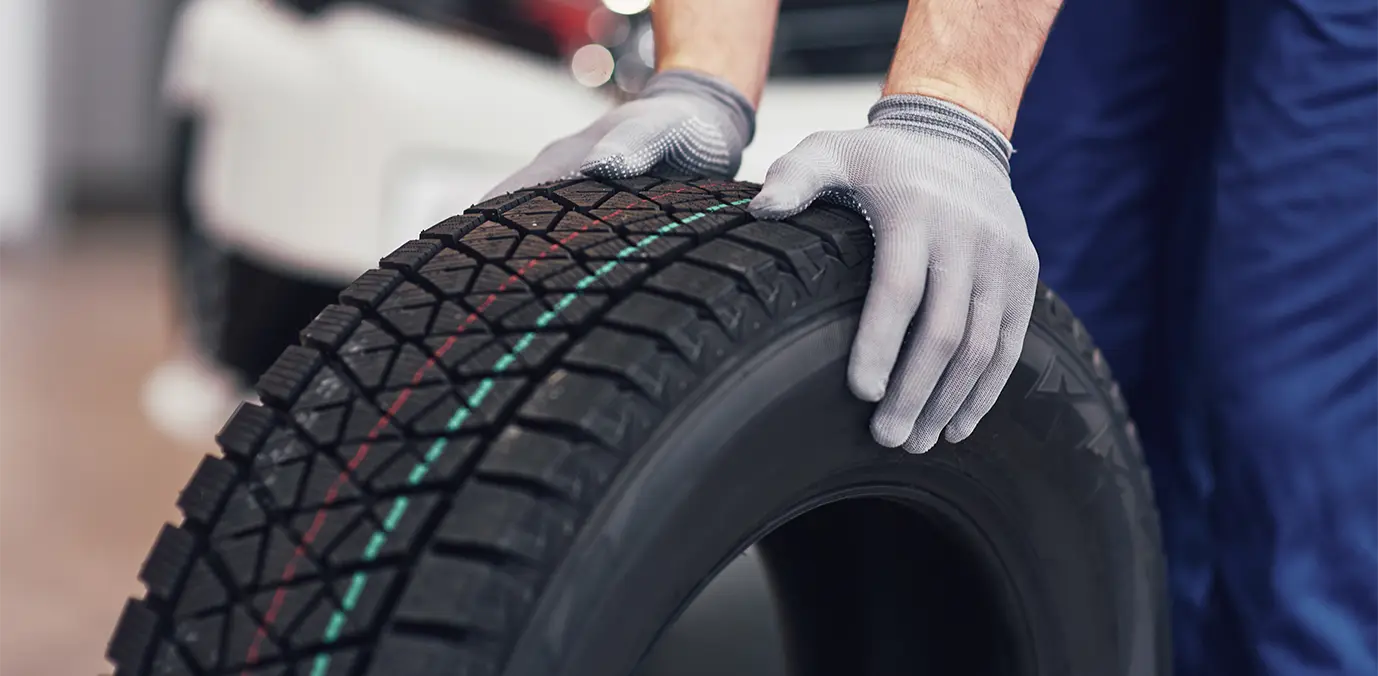
Choosing the right tires for your car isn’t just a luxury — it’s a crucial factor for driving safety, fuel efficiency, and even passenger comfort. Many drivers struggle to understand the symbols and numbers printed on the tire’s sidewall, or the meaning of the tread pattern, and whether it suits their driving conditions. In this article, we’ll guide you through how to understand tire patterns and choose the right size for your vehicle, along with practical tips to help you make a smart and safe purchase decision.
First: Why is choosing the right tire important?
Safety: Tires are a crucial part of maintaining vehicle stability, especially during braking or cornering.
Performance: The right tire helps enhance the car’s performance on various road conditions.
Efficiency: The right tires help reduce fuel consumption.
Comfort: Directly affects the level of noise and vibration while driving.
Second: How to read the symbols on the frame
Third: How to determine the right tire size
Owner’s manual: The main reference for the correct size.
Vehicle sticker: Usually found on the driver’s door or fuel cap.
Service centers: Technicians can recommend the best size for your car model.
Fourth: Types of tire tread patterns
Tread Pattern are not just for looks — they determine how the tire performs on the road.
Symmetrical tread::
Ideal for everyday driving
It gives a longer life to the tire.
Asymmetrical pattern:
Better performance at higher speeds.
Excellent file stability.
Directional pattern:
Designed to drain water quickly.
Ideal for rain and wet roads.
Fifth: Tips before buying tires
Choose a reliable brand like Michelin – Bridgestone – Sailun.
Compare tires based on warranty.
Check the production date (not more than 2 years).
Consider your usage conditions (city, highway, off-road).
Sixth: Common mistakes in choosing tires
Choosing a size larger or smaller than recommended.
Using different tires on the same axle.
Neglecting air pressure.
Relying only on cheap price.
Seventh: How to maintain the tire's life
Check the air pressure at least once every two weeks.
Do balancing and cornering regularly.
Rotate tires every 10,000 km.
Stay away from bumps and potholes as much as possible.
Eighth: How do you choose the right pattern for your circumstances?
Rainy Roads: Choose a directional pattern.
Highways: Asymmetric.
Daily use: Similar.
Sandy or mountainous roads: Off-road tires.
Conclusion
Choosing a tire isn't just a random purchase; it's an investment in your safety, economy, and comfort. When you understand the meaning of numbers and symbols and know the difference between different types of patterns, you can confidently choose the perfect tire for your car.